How to Protect a Fire-Damaged Property From Further Damage
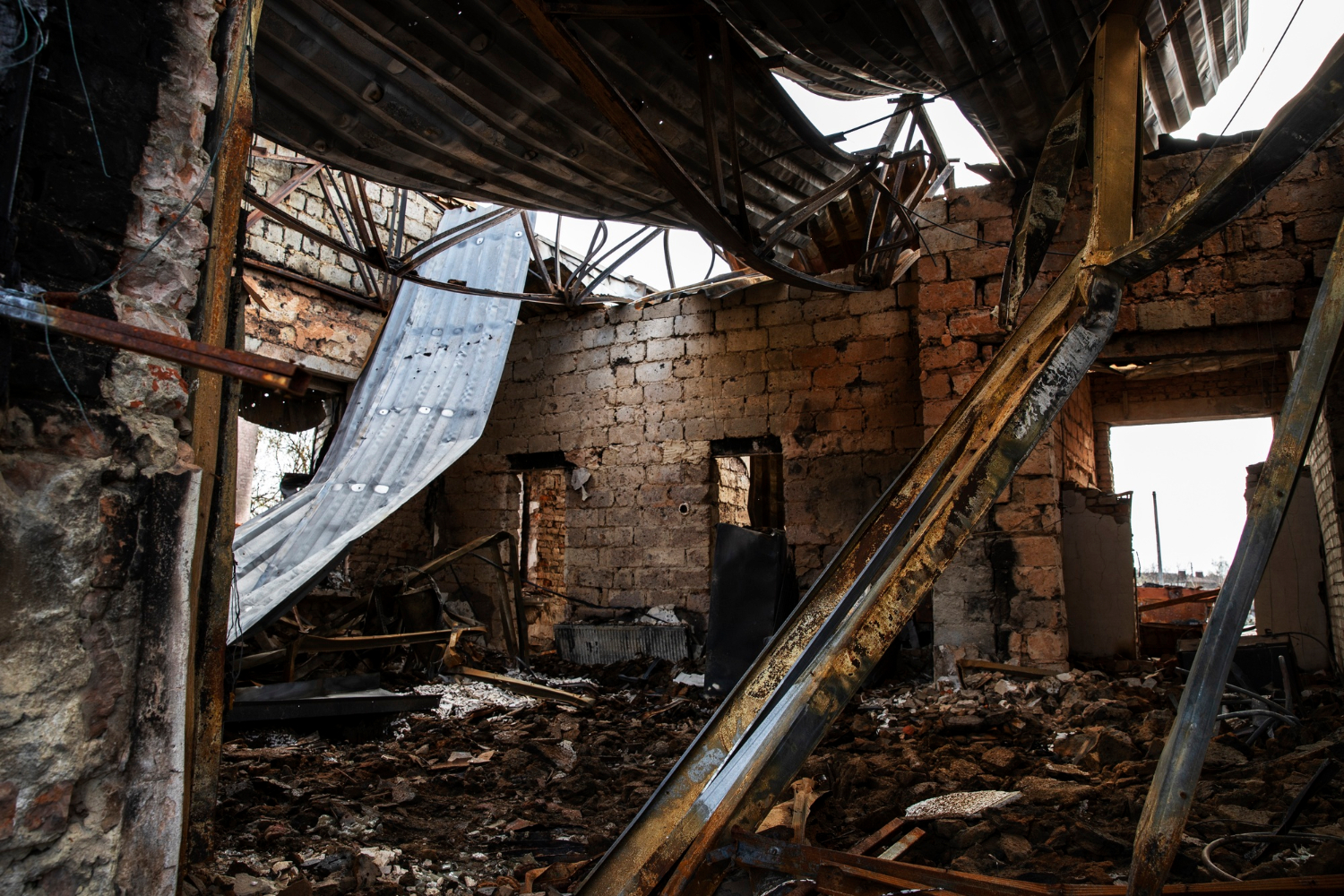
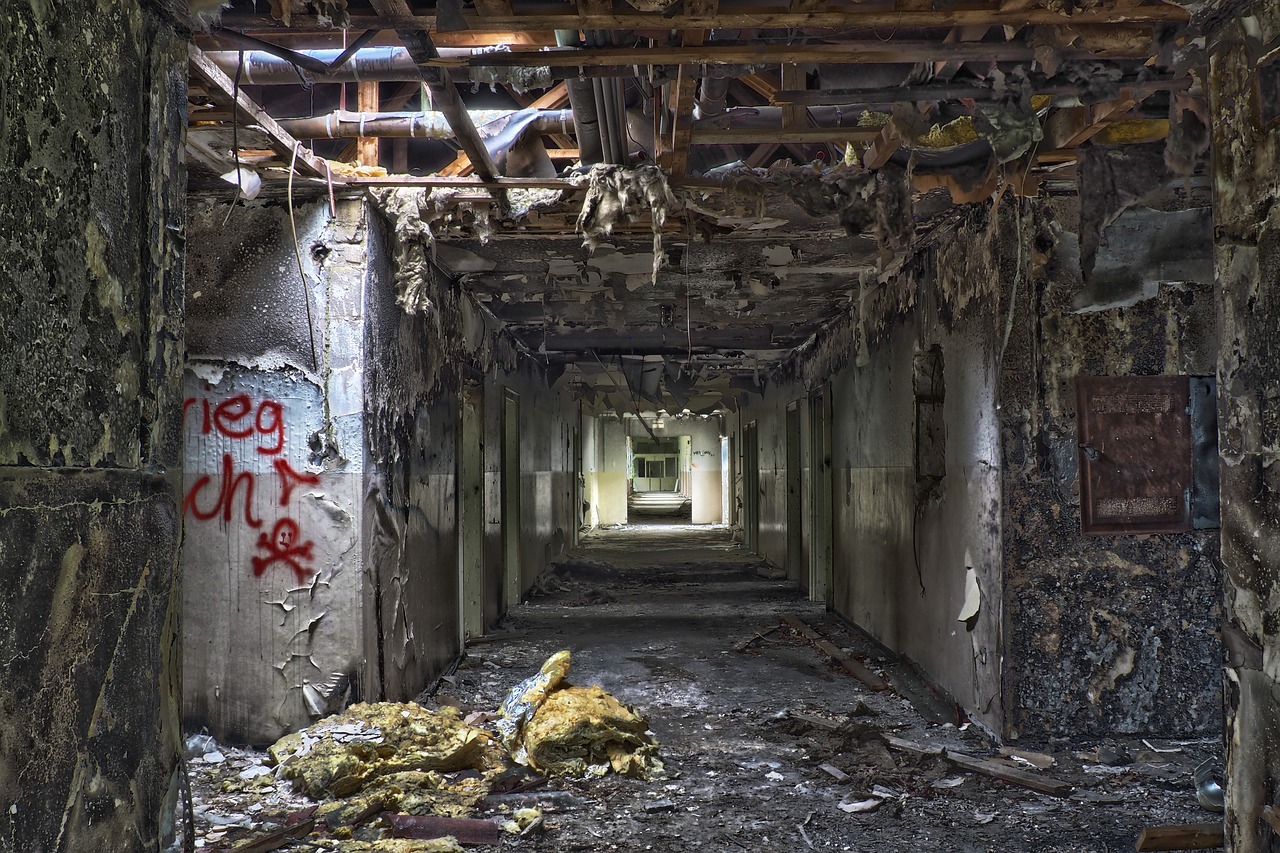
After a fire, protecting a property from additional damage is critical to preserving its value and safety. Immediate steps such as boarding up windows, covering roofs, and removing debris can prevent weather-related deterioration and unauthorized access. Local company buying fire damaged houses can also provide solutions for homeowners who want to quickly transfer ownership while minimizing further losses. Understanding how to secure the property effectively ensures that both structural and cosmetic issues do not worsen. Taking proactive measures allows owners to maintain control over the situation and prepares the property for future repair, sale, or inspection with reduced risk and stress.
Securing the Property
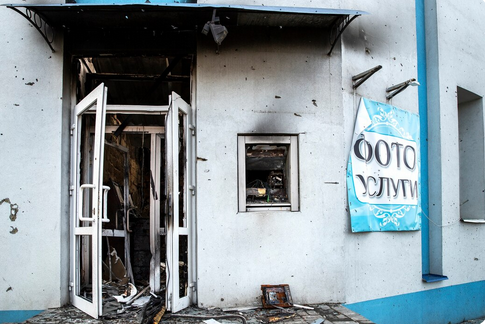 One of the first steps after a fire is to secure the home from unauthorized access. Fire-damaged properties are often easy targets for theft or vandalism due to compromised locks, broken windows, and weakened doors. Boarding up openings, installing temporary fencing, and using security systems are effective ways to prevent intrusion. Taking these precautions protects both the home and any salvageable belongings left on the property.
Preventing Weather-Related Damage
Exposed roofs, walls, and windows increase the risk of rain, wind, and other weather-related damage. Tarping damaged roofs, sealing broken windows, and covering openings helps prevent water intrusion, which can lead to mold growth, structural weakening, and further deterioration. Protecting the home from the elements preserves the integrity of remaining structures and minimizes additional repair costs.
Addressing Smoke and Soot Residue
Smoke and soot continue to affect surfaces and materials long after the fire is extinguished. Immediate cleaning of salvageable areas, along with the use of sealants or temporary coverings, can reduce lingering odors and prevent further corrosion of metals, wood, or painted surfaces. Acting quickly helps maintain materials that can be restored rather than replaced entirely.
Preventing Pest Infestations

Fire-damaged properties are more susceptible to pests such as rodents, insects, and birds. Openings in walls, roofs, or windows provide entry points, while weakened structures offer nesting opportunities. Boarding up openings and inspecting the property regularly helps prevent infestations that could complicate restoration and add unexpected costs.
Maintaining Safety Standards
Fire-damaged homes often have structural weaknesses, exposed wiring, and unstable surfaces. Securing loose debris, warning signs, and barriers around unsafe areas protects workers, visitors, and the general public. Maintaining safety standards not only prevents accidents but also ensures that insurance requirements and legal obligations are met during the recovery process.
Protecting a fire-damaged property from further damage is essential for preserving value, ensuring safety, and reducing long-term restoration costs. By securing the home, shielding it from weather, managing smoke and soot, preventing pests, and maintaining safety standards, homeowners and investors can safeguard their investment. Quick and strategic action after a fire lays the groundwork for effective repairs and a successful restoration.…