Mistakes That Reduce Efficiency in Home Improvement Projects
Home improvement projects can transform a living space, adding comfort, style, and value to your property. Yet, many homeowners struggle to achieve efficient results due to common errors in planning and execution. Even with advanced tools and equipment, small mistakes can slow progress, increase costs, and lead to subpar outcomes. For example, using specialized equipment like the roland gx 24 vinyl cutter demonstrates how the right device can streamline certain tasks—but misusing any tool can reduce efficiency. Understanding the top five mistakes that commonly hinder home improvement projects can help homeowners save time, avoid frustration, and achieve results that meet both functional and aesthetic goals.
Inadequate Planning
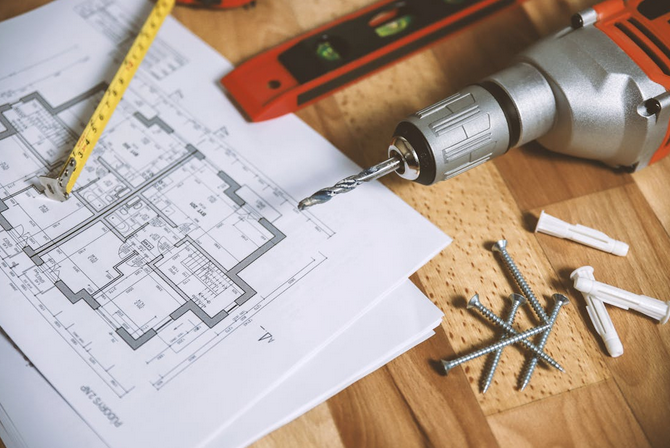
One of the most frequent mistakes in home improvement is inadequate planning. Many projects begin without clear objectives, a proper budget, or a realistic timeline. Failing to plan can result in frequent interruptions, rushed decisions, and unexpected expenses. A well-structured plan includes a step-by-step outline of tasks, necessary materials, and contingency measures. Taking time to evaluate the scope of the project and gather all essential supplies beforehand allows for smoother execution and reduces delays caused by forgotten items or overlooked details.
Poor Tool Selection and Usage
Using incorrect or low-quality tools can significantly slow progress and compromise the quality of work. Many homeowners underestimate the importance of selecting appropriate tools for specific tasks. Attempting precision cuts or detailed work without the right device can lead to mistakes, wasted materials, and time-consuming corrections. Understanding the capabilities of each tool and using it correctly prevents unnecessary setbacks and ensures that tasks are completed with precision.
Underestimating Time Requirements
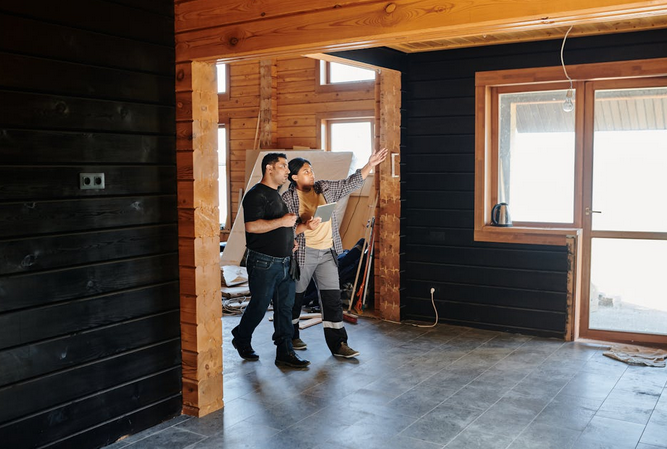
Another common misstep is underestimating the amount of time needed to complete tasks. Home improvement projects often take longer than expected, especially for beginners or those balancing work and family commitments. Rushing through work increases the likelihood of errors and may require redoing sections, ultimately extending the timeline. Allocating realistic time for each stage of the project and including buffer periods for unexpected challenges allows homeowners to work at a steady pace, reducing stress and avoiding shortcuts that compromise quality.
Zero Safety Protocols
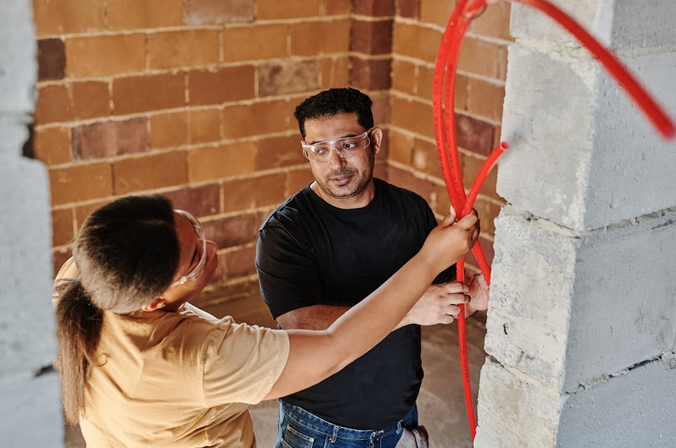
Efficiency is not only about speed but also about safety. Skipping proper safety measures can result in injuries that halt the project entirely. Common oversights include neglecting protective gear, improper handling of power tools, or failing to secure work areas. Safety should always be a priority, as accidents can lead to downtime, added costs, and permanent damage. Following established safety practices, reading tool manuals, and maintaining a clean workspace contribute to both efficient and safe project completion.
Lack of Experience and Skill Development
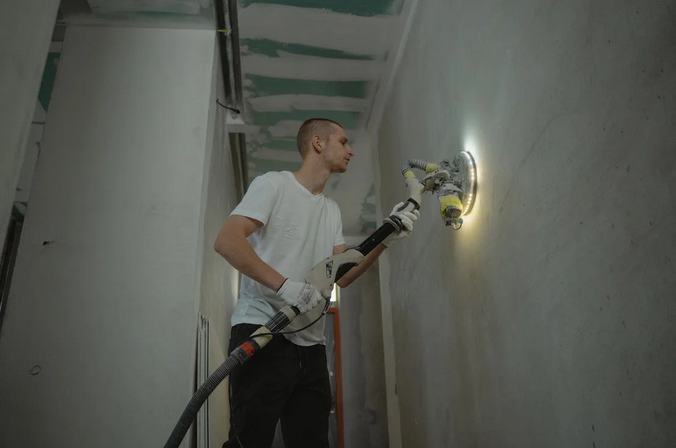
Many homeowners attempt tasks beyond their skill level, believing that guidance from online tutorials or brief instructions is sufficient. While learning is important, attempting complex tasks without proper training can slow progress and lead to poor-quality results. Investing time in skill development, watching instructional videos, or consulting with professionals for guidance can prevent mistakes and improve efficiency. Gaining confidence and competence before tackling challenging aspects of a project allows homeowners to execute tasks more effectively and reduces the need for costly corrections.
Reducing inefficiency in home improvement projects requires awareness of common errors and proactive measures to prevent them. Inadequate planning, poor tool selection, underestimating time, ignoring safety protocols, and attempting tasks beyond skill levels are frequent mistakes that compromise both speed and quality. By addressing these issues, homeowners can streamline their work, minimize interruptions, and achieve results that reflect careful effort and attention. Thoughtful preparation, proper equipment use, and ongoing skill development create an environment where projects progress smoothly, enhancing satisfaction and ensuring that every improvement contributes meaningfully to the functionality and aesthetics of the home.…