How Residential HVAC Systems Support Better Indoor Living Throughout the Year
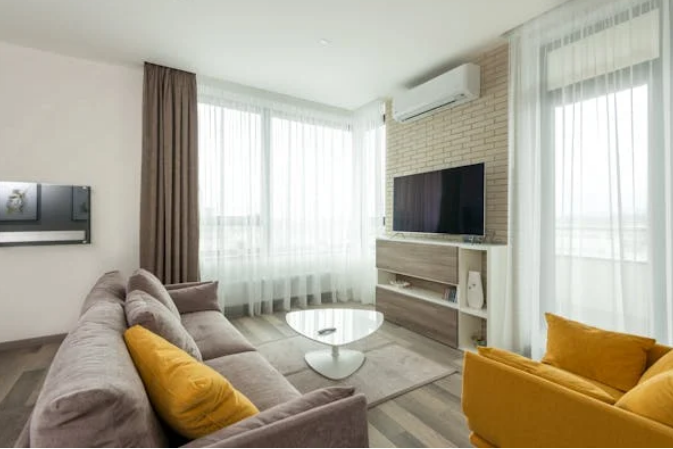
A comfortable home depends on more than attractive furniture or modern appliances. Indoor temperature, air quality, and humidity all influence how people feel inside their living spaces. Residential HVAC systems play a central role in maintaining these conditions throughout every season. Professional TexAire’s air conditioning services help homeowners keep their systems operating efficiently and reliably as weather conditions change. They help regulate indoor environments, whether the weather is extremely hot, cold, or somewhere in between. Understanding how residential HVAC systems support better indoor living throughout the year highlights why these systems have become an essential part of modern homes.
Maintaining Comfortable Indoor Temperatures
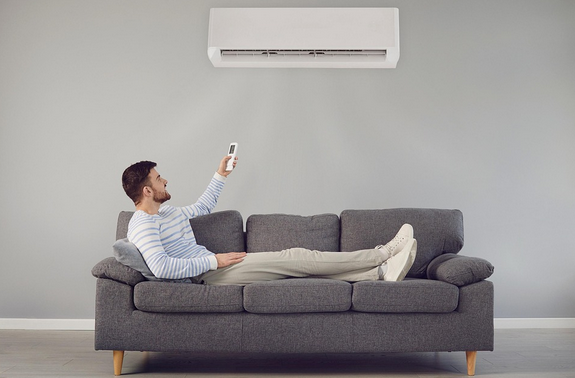
The primary purpose of an HVAC system is to maintain comfortable indoor temperatures regardless of outdoor conditions. During summer, cooling equipment removes excess heat from the home. In winter, heating components provide consistent warmth. This balance allows residents to remain comfortable without relying on temporary solutions. Stable temperatures also make daily routines more enjoyable. Sleeping, working, cooking, and relaxing become easier when indoor conditions remain predictable. Modern HVAC systems continuously monitor temperature changes. They adjust performance automatically to maintain a comfortable environment throughout the day.
Improving Indoor Air Quality
Indoor air quality affects both comfort and overall well-being. HVAC systems contribute by continuously circulating and filtering indoor air. Air filters capture dust, pollen, and other airborne particles. This helps reduce contaminants inside the home. Cleaner air creates a more pleasant indoor environment. It also limits the buildup of dust on furniture and household surfaces. Many modern systems include advanced filtration options. Some are designed to reduce microscopic particles more effectively. Regular air circulation prevents indoor spaces from feeling stale and supports healthier everyday living.
Controlling Indoor Humidity Levels
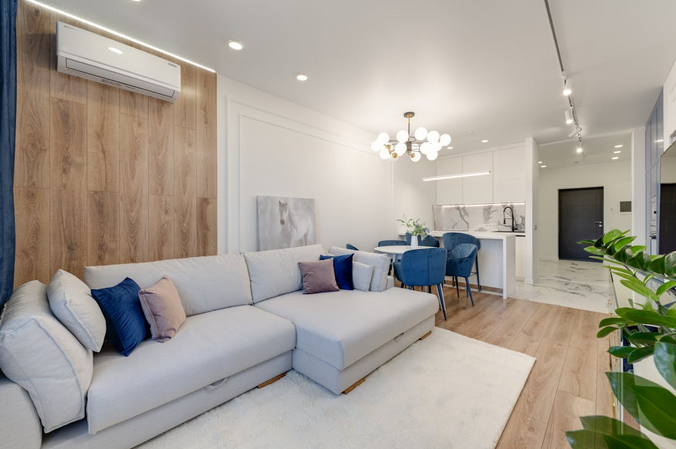
Humidity has a significant influence on indoor comfort. Excess moisture can make a home feel warmer, while very dry air may create discomfort. Residential HVAC systems help regulate indoor humidity throughout the year. Air conditioning naturally removes excess moisture during warmer months. Some homes also use whole-house humidifiers or dehumidifiers connected to the HVAC system. Balanced humidity creates a more comfortable atmosphere. It also helps protect household materials from moisture-related problems. Wood flooring, furniture, and other interior finishes often perform better under stable humidity conditions.
Supporting Consistent Air Circulation
Good airflow is essential for maintaining even comfort throughout a home. HVAC systems distribute conditioned air to different rooms using ductwork or other delivery methods. Continuous circulation reduces hot and cold spots. Rooms receive more consistent temperatures. Fresh air movement also improves overall indoor comfort. Without proper circulation, some areas may feel stuffy while others become uncomfortable. Balanced airflow supports better temperature control. It also helps the heating and cooling system operate more efficiently. Residents experience greater comfort in every part of the home.
Reducing Seasonal Indoor Challenges
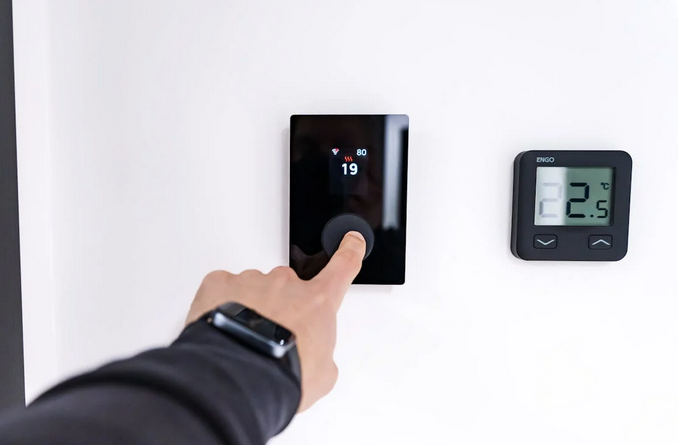
Each season introduces different environmental conditions that affect indoor living. Residential HVAC systems help address these seasonal changes effectively. Summer heat places a greater demand on cooling systems. Winter requires dependable heating performance. Spring often brings increased pollen and outdoor allergens. Autumn introduces fluctuating temperatures that require flexible climate control. HVAC systems adapt to these changing conditions throughout the year. This reduces the need for separate seasonal equipment. Homeowners enjoy a more consistent indoor environment regardless of weather changes. Reliable performance contributes to year-round comfort.
Supporting Long-Term Home Comfort
Residential HVAC systems provide benefits that extend beyond immediate temperature control. Consistent indoor conditions contribute to a more enjoyable living experience over time. Comfortable environments encourage greater use of indoor spaces. Family activities become more enjoyable. Remote work and home study benefit from stable indoor conditions. Proper climate control also reduces unnecessary strain caused by temperature extremes. Routine maintenance helps systems continue operating efficiently for many years. Well-maintained equipment supports dependable performance throughout changing seasons. This long-term reliability makes HVAC systems one of the most valuable investments for residential properties.
Residential HVAC systems do much more than heat and cool a home. They improve indoor air quality, regulate humidity, promote steady airflow, and provide reliable comfort throughout every season. These combined functions create healthier and more enjoyable living environments for homeowners and their families. Understanding how residential HVAC systems support better indoor living throughout the year demonstrates their importance in modern homes. As technology continues to improve, these systems will remain an essential part of creating comfortable, efficient, and welcoming indoor spaces regardless of the season.…











 Another biggest challenge that sellers often face when listing their homes online is dealing with low ball offers. These are offers that come in significantly below the asking price, sometimes even insultingly so. It can be disheartening for sellers who have put a lot of time and effort into preparing their homes for sale. When faced with a lowball offer, try not to take it personally. Buyers may simply be trying to negotiate and get a better deal. However, it’s also essential to know your bottom line and not settle for an offer far below what you’re looking for.
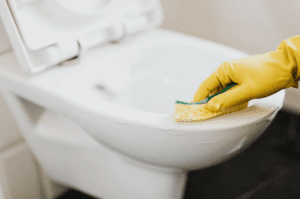 The bathroom is one of the most important rooms in the house to
 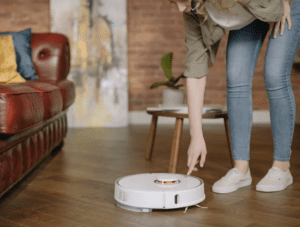 Many people forget to clean underneath or behind furniture. It can lead to a build-up of dust and dirt. Be sure to move furniture around regularly to vacuum or mop underneath it. It will help keep your floors clean and dust-free.
 An easy and inexpensive way to update your house is to replace old or outdated light fixtures. This includes ceiling lights, lamps, and even cabinet hardware. New light fixtures can make a big difference in the overall look of your house. They can also help make it more energy-efficient.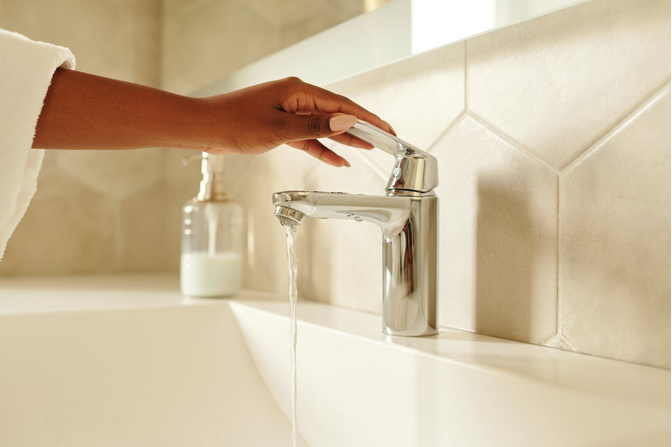
 Don’t leave the faucet running for a long time after brushing your teeth or washing your hands. You might have heard it before, but it is easy to lazily leave the faucet to run instead of turning off while scrubbing teeth, then turn the tap on only when ready to rinse. Additionally, you can avoid luxurious long showers. You can limit the shower time to 15 minutes to avoid wasting the water.
 The modern toilets must have less than 1.6 gallons per flush. When you replace the old toilet with a low-volume 1.6-gallon flush, it represents savings of 70 percent of water and can cut indoor use of water by 30 percent. Alternatively, you can purchase the duel toilet flush or install a flush converter. It converts the standard toilet into a dual flush which saves an average of 15,000 gallons each year. More water can be used when the need arises.